
Color Analysis
Courses
at Yulvenus

What we actually teach here
Color analysis is a specific, learnable skill — not intuition, not guesswork. Our courses cover how light interacts with skin undertones, how seasonal palettes are built, and what changes when you apply theory in a real consultation. Whether you're just curious or planning to work professionally, there's a track that fits where you are right now.
from beginner to pro
since 2015
and individual lessons
Color Foundations
Starts from scratch. You'll learn how the four-season system works, how to read undertones under different light sources, and how to drape fabrics correctly. Practical from week one — no lengthy theory modules before you touch real colors.
Personal Palette Work
One-on-one sessions for people who want focused progress. We work through your specific questions, analyze real cases from your practice or wardrobe, and go at exactly the pace you need. Good for people who've already done a group course or have some background.
Professional Practice
Built for people who plan to consult clients. Covers how to handle edge cases and mixed seasons, how to communicate findings clearly, and how a real consultation session is structured from start to finish. Includes supervised practice with volunteer clients.
How each path is structured
Three distinct approaches depending on what you already know and what you're working toward.
From zero to confident beginner
No previous experience needed. This path is for people who are genuinely curious about color theory and want to understand the system rather than just memorize it. Each session builds on the last and there's time to ask questions throughout.
See course detailsLight and undertone basics
How warm and cool tones behave, what changes under different light conditions, and why this matters before anything else.
The four-season framework
Where the seasonal model comes from, how it's applied practically, and what its limitations are in real-world settings.
First draping exercises
Hands-on work with fabric swatches. You'll see how colors affect perceived skin tone and practice identifying shifts.
Reading your own results
How to describe what you observe clearly and start forming conclusions from what you see rather than guessing.
For people who know the basics
You've done some reading or taken an intro course. Now you want to work through harder cases — mixed seasons, unusual undertones, clients who don't fit neatly into any category. This path gets into the nuance.
See course detailsRevisiting the system critically
Common misreadings, where the standard model breaks down, and what to do when a client doesn't fit the expected categories.
Contrast levels and depth
How contrast between hair, eyes and skin interacts with seasonal type — and why two people in the same season can look completely different.
Extended palette work
Working with 12 and 16 season models. When additional precision is useful and when it creates more confusion than clarity.
Case study analysis
Group review of real consultation cases. Practice explaining your reasoning out loud — a skill that takes deliberate work to develop.
Working toward client consultations
Structured for people ready to run real sessions. The focus is on the full consultation workflow — how to prepare, how to communicate findings clearly, and how to handle the situations that don't go as planned.
Book a callConsultation structure
How a session is organized from first contact to final palette delivery. What information to gather before you start draping.
Client communication
How to explain seasonal findings in plain language. What to say when results are ambiguous and a client wants certainty you can't give.
Supervised live practice
You run a real consultation with a volunteer client. Instructor observes and gives specific, detailed feedback afterward.
Building your reference library
How to document cases, build comparison materials, and develop your own visual vocabulary over time.
Who leads the sessions
All instructors at Yulvenus teach from practice, not from textbooks alone. Each has worked directly with clients and brings that experience into how sessions are structured and what examples get used. You're learning from people who've encountered the same edge cases you'll face.
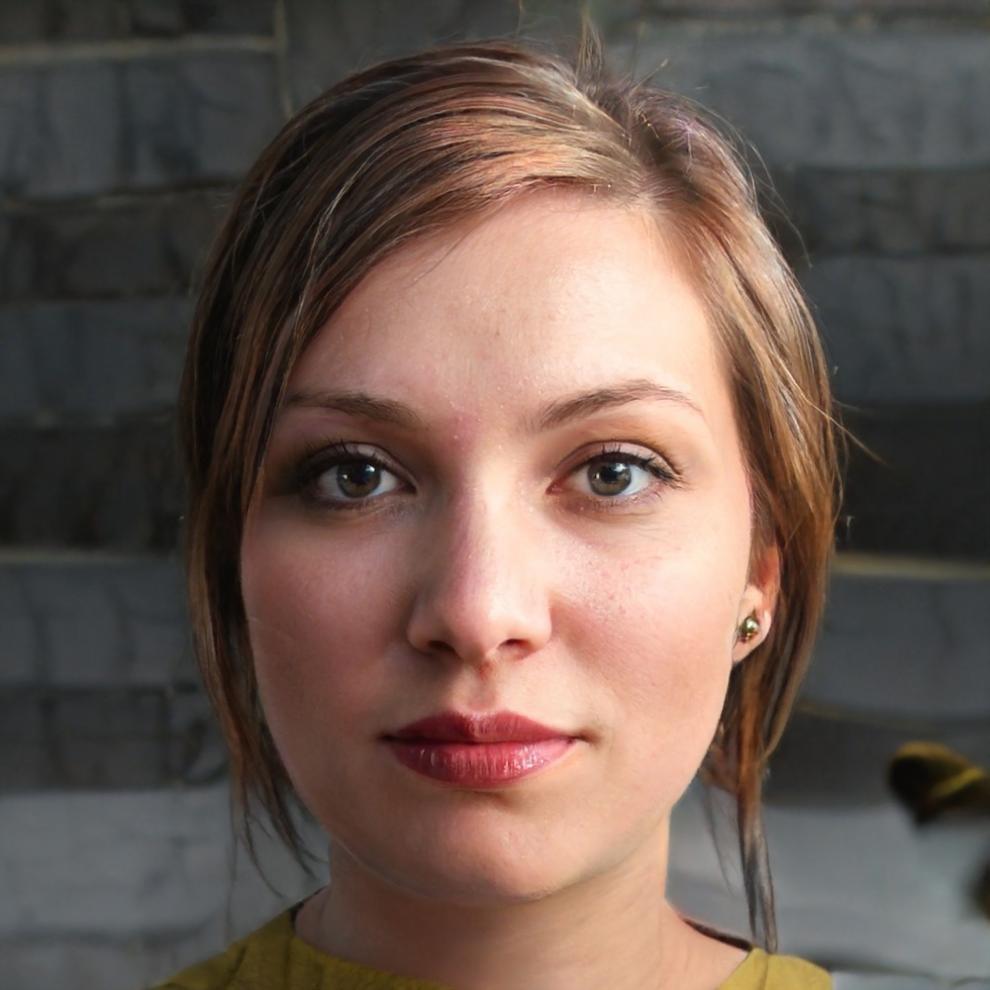 Lead Instructor
Daryna Holub
Color Analysis & Consultation
"I spent two years doing consultations before I started teaching. That meant I could tell students exactly where the theory stops matching reality — and that's usually the most useful part of any lesson."
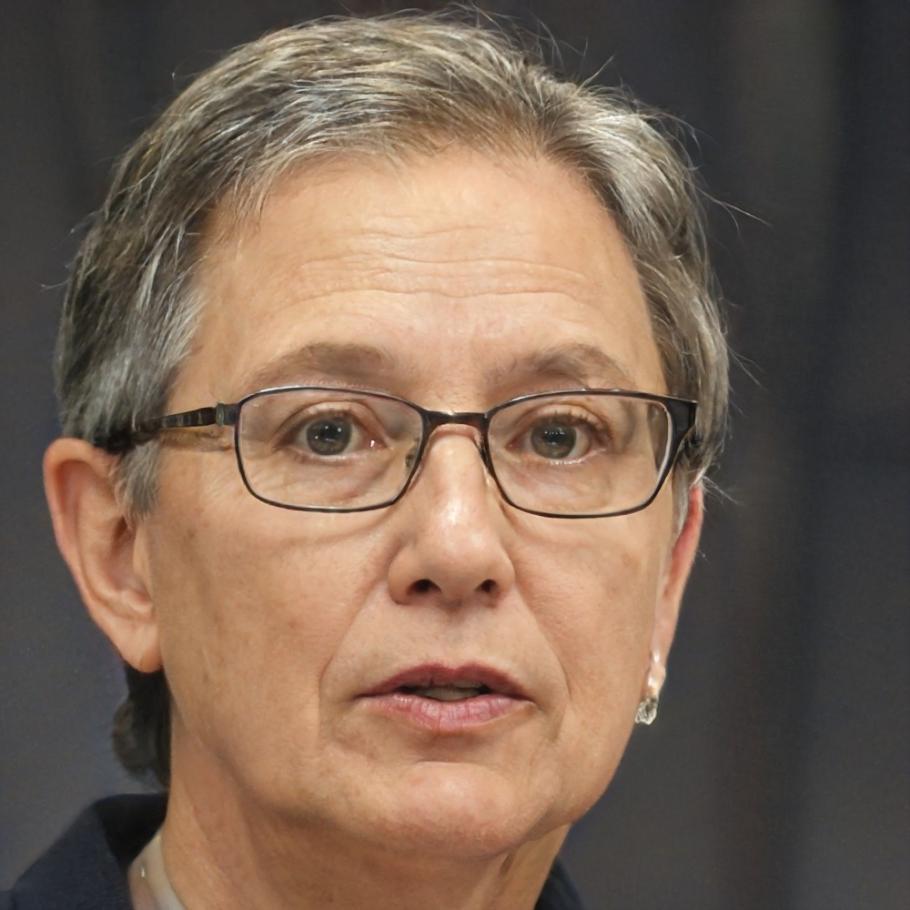 Instructor
Oksana Marchuk
Seasonal Theory & Palette Systems
"Color analysis has a lot of competing frameworks and conflicting terminology. I focus on helping students understand what's actually happening visually — so they can navigate those disagreements without getting stuck."
 Program Coordinator
Vasyl Kravets
Curriculum & Student Support
"My job is making sure the structure of each course actually matches what students need — not just what looks good on paper. I talk to students regularly and adjust things when something isn't working."
This site uses cookies for analytics, functional features, and marketing. You can accept all, decline all, or set preferences in the next tab.